Here’s how our About page describes Strandfall right now:
Strandfall is a highly physical outdoor larp (live action role playing game) that uses custom spatial computers. Players are survivors of a global disaster that has unleashed mysterious, deadly storms. For three hours, they investigate the origin of the storms and make fateful decisions about their future as individuals and as a community.
Strandfall is in conversation with works like Threads, Battlestar Galactica, Station Eleven, Eclipse, and Death Stranding. Inspired by Nordic larp, we aim to collapse the distinction between the screen-based and physical worlds by introducing physical traversal and social dynamics.
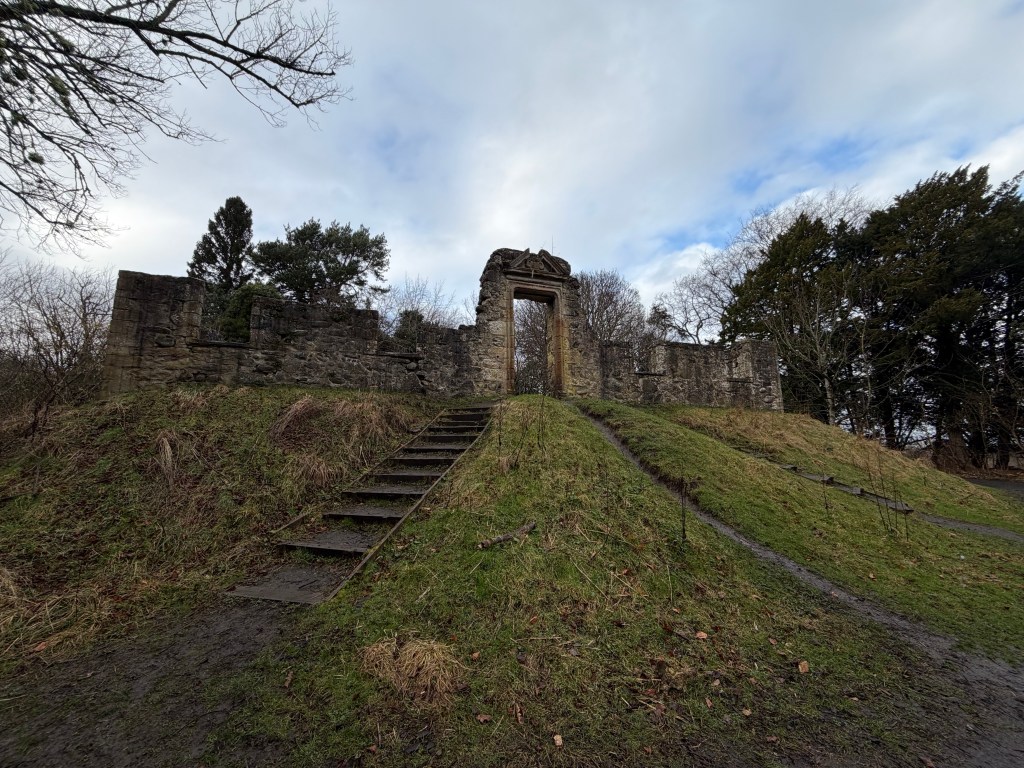
This is both true but also an incomplete description of what Experimental Social Scene (a new collective consisting of me – Adrian Hon – and Alex Macmillan) is making. There’s a lot we’ve sketched out for Strandfall’s design, but precisely how it’ll be realised this autumn in Edinburgh will depend on our explorations over the next six months, which we’ll share here.
The reason we’re able to take this time and be so open with our process is because we’re supported by Immersive Arts funding. All their projects must incorporate some technology, and here’s Strandfall’s:
Our “storm sensors” are novel spatial computers designed for outdoor usage over long distances. They will house ePaper displays, LoRa (long range) radios, accelerometers, gyroscopes, and GPS chips in a 3D-printed enclosure to provide a low-tech way to augment the reality of the park. These computers will be cheaper, more rugged, longer-lived, and more capable than smartphones, deployable to locations with zero cellular service and no battery charging options.
The sensors will be mounted on top of camera tripods for deployment. Runners will carry them through the park, then position and aim them in the correct direction, as co-ordinated by “operators” using walkie talkies. This will let players feel like they are really setting up important equipment, scanning historical sites for clues (like surveyors), and establishing laser communication links. Lacking colourful touchscreens, the sensors will be less distracting for runners, helping them focus on their surroundings. Essentially, they are a highly tactile and deeply realistic way of immersing players in a post-apocalyptic setting, since such devices – not smartphones – are the most likely to be used.
(excerpt from our original 2025 grant application)
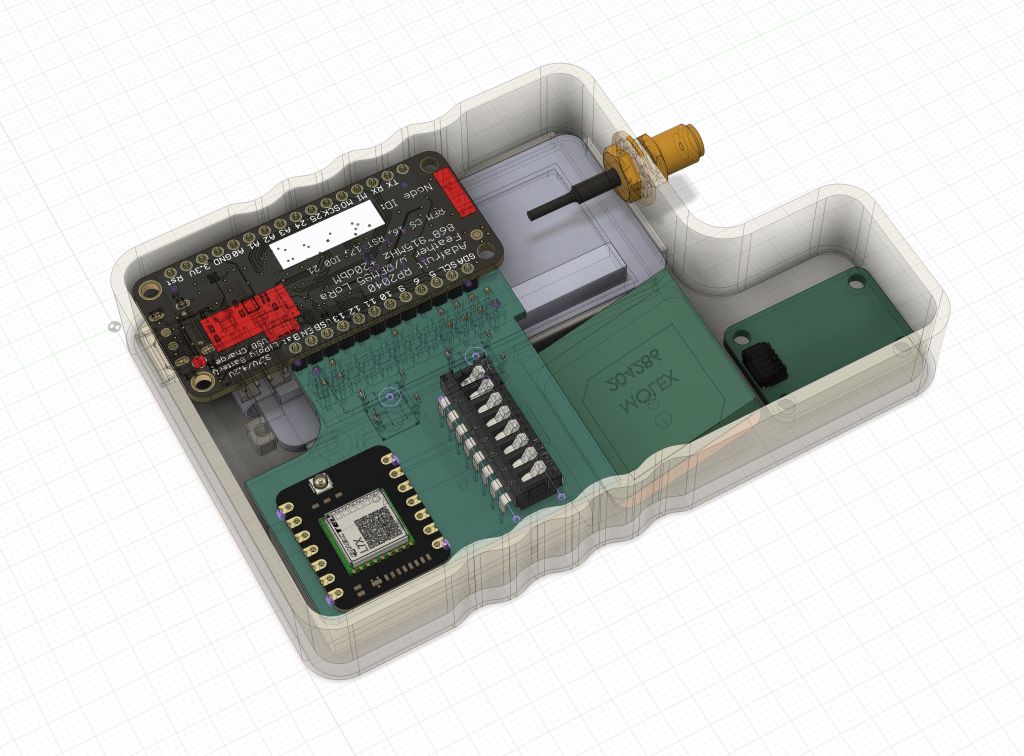
Due to the long lead times of custom hardware production, we know Strandfall will have these “storm sensors”. Precisely what role they will play is another question. Alex is making them to be highly flexible, hence their internal name of “MFDs”, or multi- functional devices. There’s an awful lot they could do, which is what we’re spending a lot of time thinking about.
So rather than telling you exactly what Strandfall will be, I’ll share some of the questions we hope to answer:
- How much tech should we use beyond storm sensors?
- How deep and automated should our simulation be?
- What are our influences?
- Why does Strandfall’s site-specificity matter?
- How do we think about indexicality?
- How do we responsibly run a larp like this in a public park?
- Can we harness players’ familiarity with video games without overly gamifying the larp?
- How can we make a highly physical larp accessible to people with different levels of mobility?
- What makes this different from a normal location-based/pervasive game?
- Are we making relational art?
- How does Strandfall fit into practices of environmental/interactive/immersive theatre, larp, and Happenings?
- Are we putting too many ideas into this?
- What internal tools are we using?
What I can tell you right now is why we’re making Strandfall. I spent the last twenty years making games that blur the boundaries between the real and digital worlds, from alternate reality games like Perplex City to smartphone games like Zombies, Run!
Now I want to make games – or should I say art? – that make room for people to be brave with one another in person.
However you feel about the loneliness epidemic (PDF), most agree we need to spend more time together, in person, with friends and strangers. Many thinkers suggest we accomplish that by returning to the rituals and traditions of old: churchgoing, village fetes, and so on. I doubt this will work. Instead, I think we need to make new collective experiences that are exciting and enchanting enough to pull people away from their screens at home, while also being thoughtful and meaningful.
Based on my time at the Immersion larp festival and the spectacular sci-fi larp Eclipse, the tradition of Nordic larp has come the closest to delivering this promise in a way that’s sustainable and welcoming. That’s why we’ll be learning from Nordic larp community’s books and conferences and talks, and working with veteran larp and TTRPG designer Juhana Pettersson.
Alex and I like to joke that Strandfall is the world’s first strand-type larp. It’d more accurate, however, to say that it’s first larp we’ve made. Maybe it’s predictable that we would load it with technology, but in our defence, I think technology has a special role to play in creating provocative immersive art.
We’ll see!

Leave a comment